Layers and adhesive
How many layers are on the wall, what they're made of and how strongly they were pasted all change the approach.
Old paper, a tired border, a pattern that no longer suits the room: removal is the first step toward the next finish, and the wall underneath decides how that step goes.
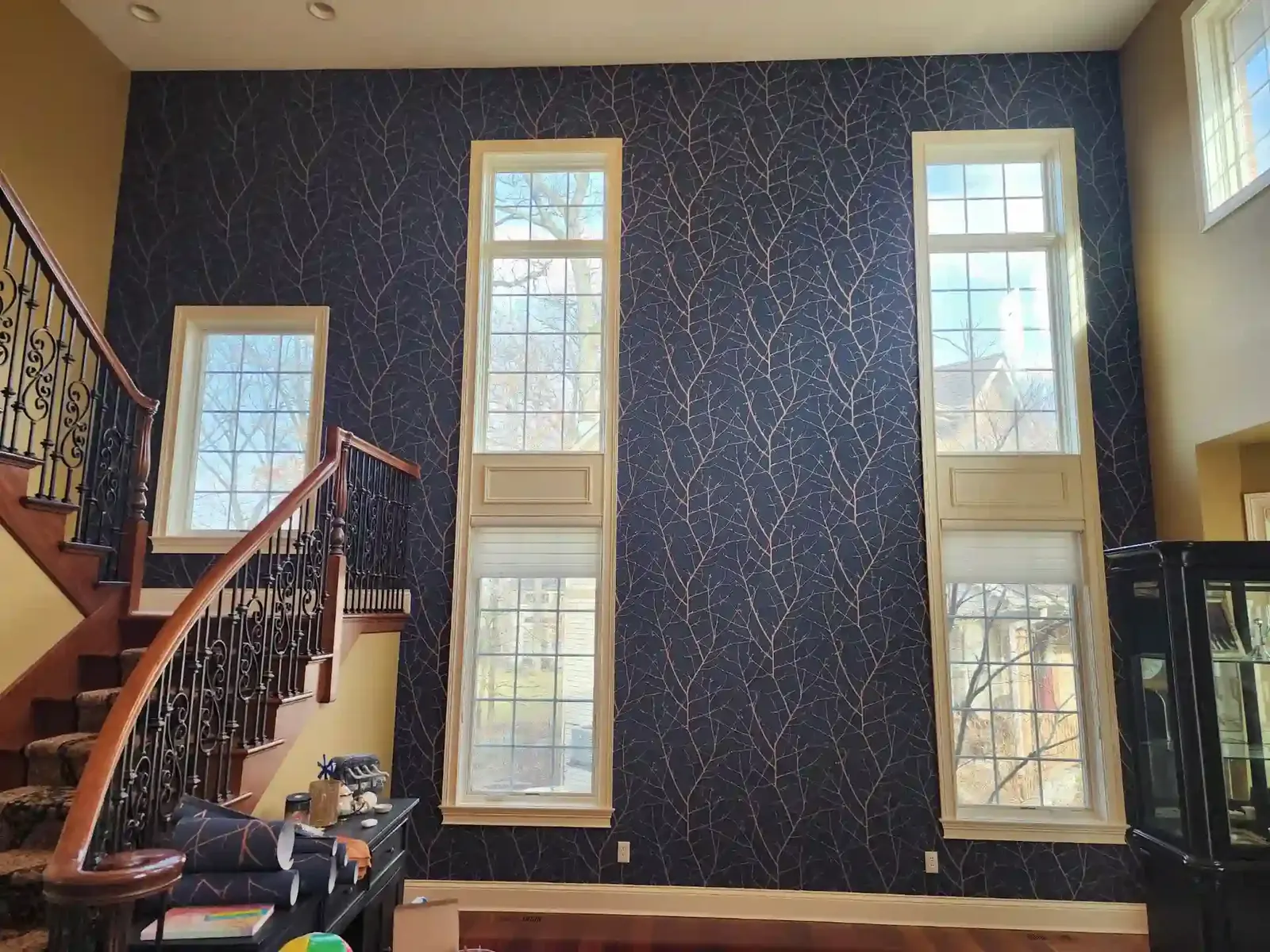
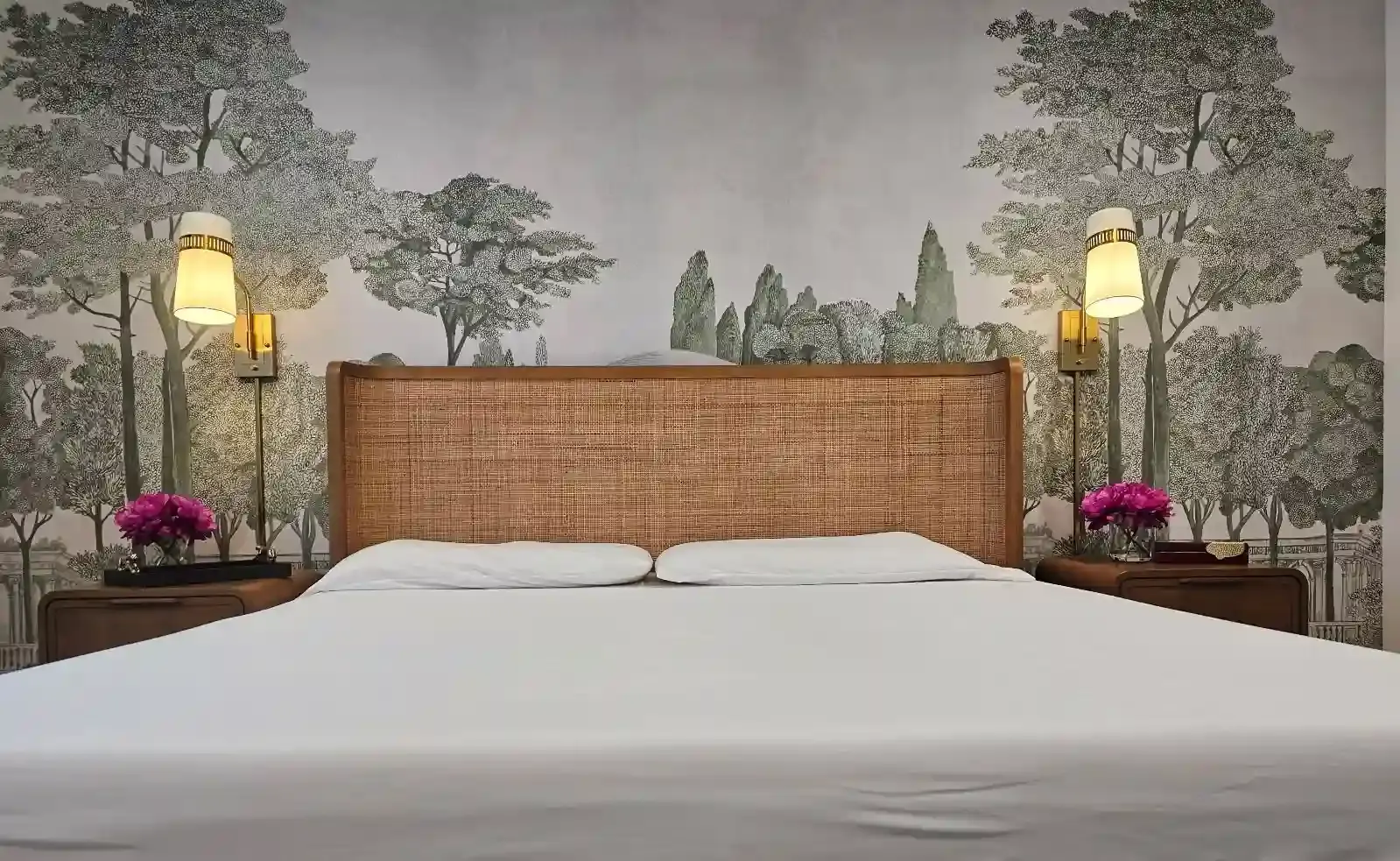
Some wallcoverings release cleanly. Others leave a backing layer, stubborn paste or more than one generation of paper. Painted-over wallpaper and older plaster walls can add complications of their own.
That's why removal and preparation are worth discussing together. The goal isn't simply a bare wall; it's a surface that's ready for whatever comes next, whether that's new wallpaper, paint or something else.
No two walls come apart quite the same way. These are the details that usually matter most.
How many layers are on the wall, what they're made of and how strongly they were pasted all change the approach.
Drywall, plaster and previously painted surfaces respond differently, and wear hidden under old paper sometimes only shows once it's off.
If new wallpaper is going up, the wall may need repair, smoothing or priming first. Planning both steps together avoids surprises.
Mention it when you call. Removal and installation are easier to plan as one project.
It depends on the wall and on how the paper was hung. Careful removal limits damage, but some surfaces show existing wear or need repair once the paper is off. That's worth knowing before you choose the next finish.
Often, once the surface is clean, sound and suitably prepared. Leftover paste, a torn surface layer or patched areas may need attention first.
No. If you know, it helps; if not, describe what you see, or ask whether someone can look at the wall in person.
A short call is usually the quickest way to work out what removal involves.