Pattern scale and repeat
Large motifs read best where you can step back from them; small patterns can look like texture from across the room. The repeat type (straight, drop or random match) affects the layout and how much paper a wall uses.
Pattern, scale, material and the wall itself all affect how a wallpaper looks once it's up. A few practical points make the choice easier.
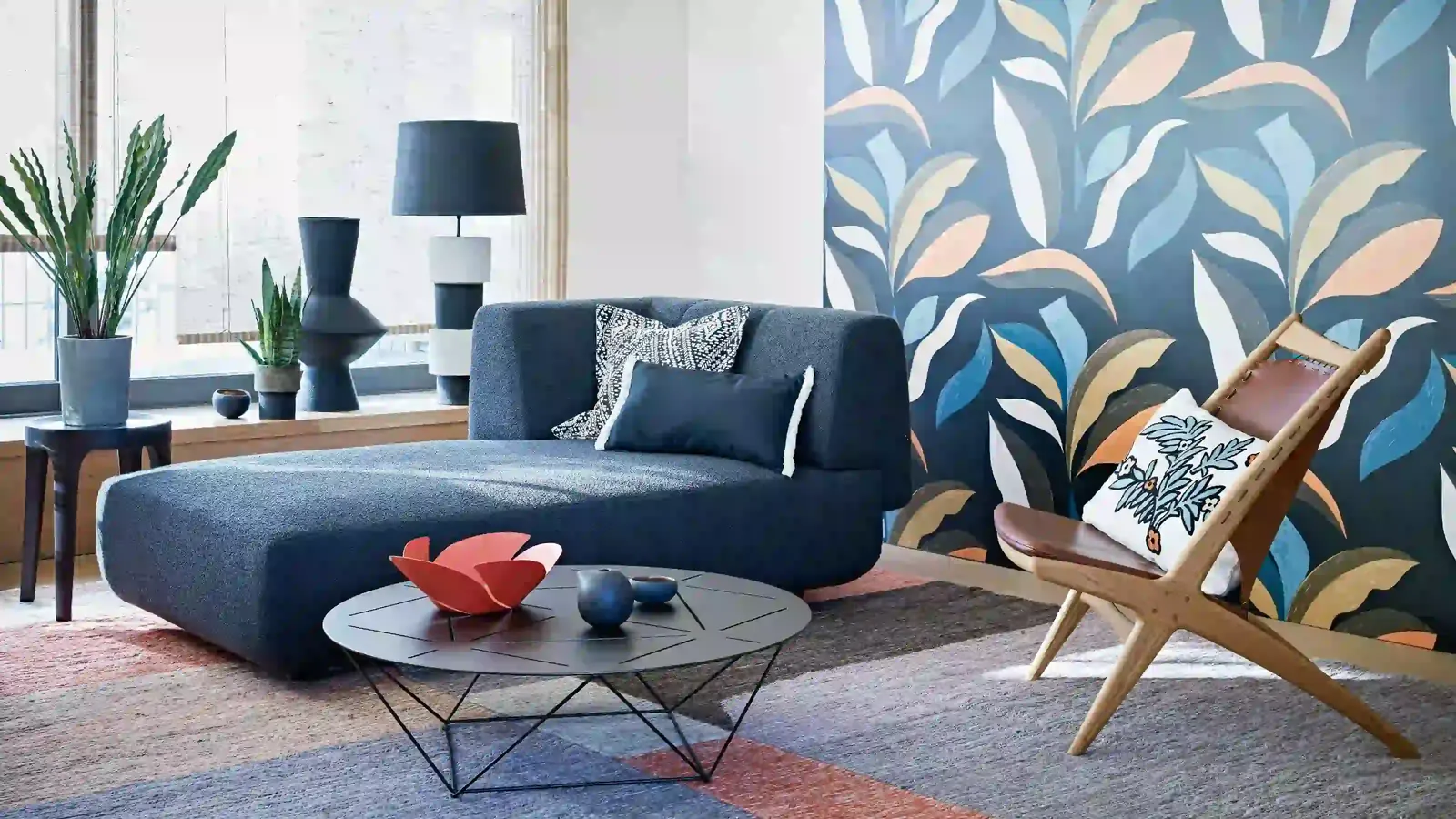
A sample in your hand is only part of the story. Here's what changes once the paper covers a full wall.
Large motifs read best where you can step back from them; small patterns can look like texture from across the room. The repeat type (straight, drop or random match) affects the layout and how much paper a wall uses.
North light, warm lamps and afternoon sun all change how a color reads. Busy spaces like hallways and kitchens may call for a more durable, wipeable material.
Traditional papers, non-woven, vinyl, grasscloth and peel-and-stick wallcoverings each handle differently and have their own paste or adhesive requirements.
A wall with cracks, glossy paint, heavy texture or old adhesive may need preparation before any wallpaper, especially a self-adhesive one, will sit well.
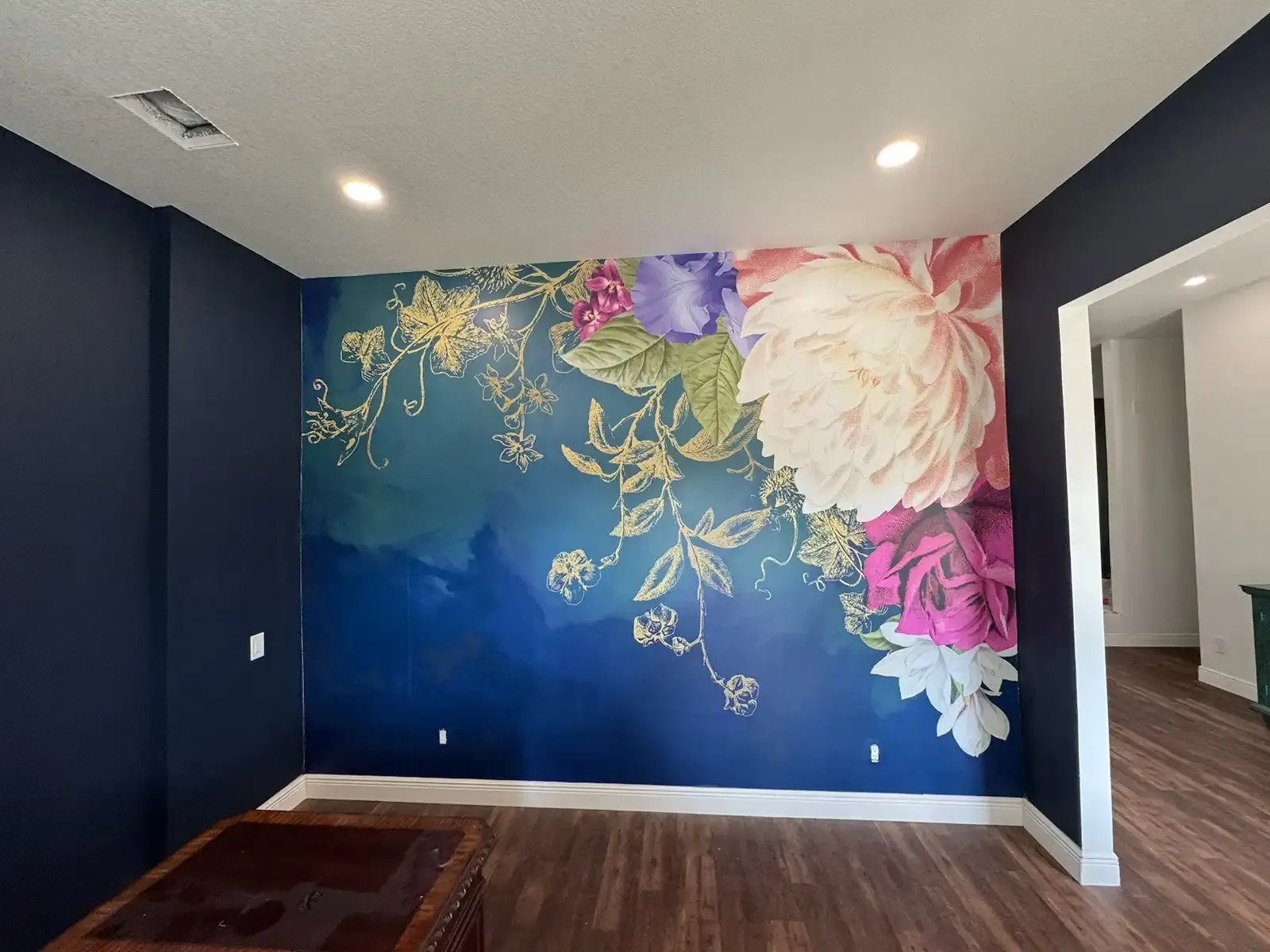
An accent wall is a good way to try a bold pattern without committing a whole room. Behind a bed, a sofa or a dining table, a mural or a large print gives the space a focal point.
Pick the wall the eye meets first when you walk in, and notice how doors, windows and outlets interrupt it. They affect both the look and the layout.
See wallpaper installationMention it when you call or add it to your estimate request. It helps, but it isn't required.
Start with the width and height of each wall, then check the roll size and pattern repeat on the product label. Larger repeats need more allowance for matching. Many manufacturers publish calculators, and if you're unsure, call before you order.
Heavy texture usually shows through and can stop seams from sitting flat, so the wall may need smoothing first. The right answer depends on the texture and on the wallcovering.
Humidity, ventilation and the product's own specifications matter. Some self-adhesive products aren't meant for damp rooms, so check the manufacturer's guidance first.
Tell us about the room it's meant for, and we'll talk through the next step.